


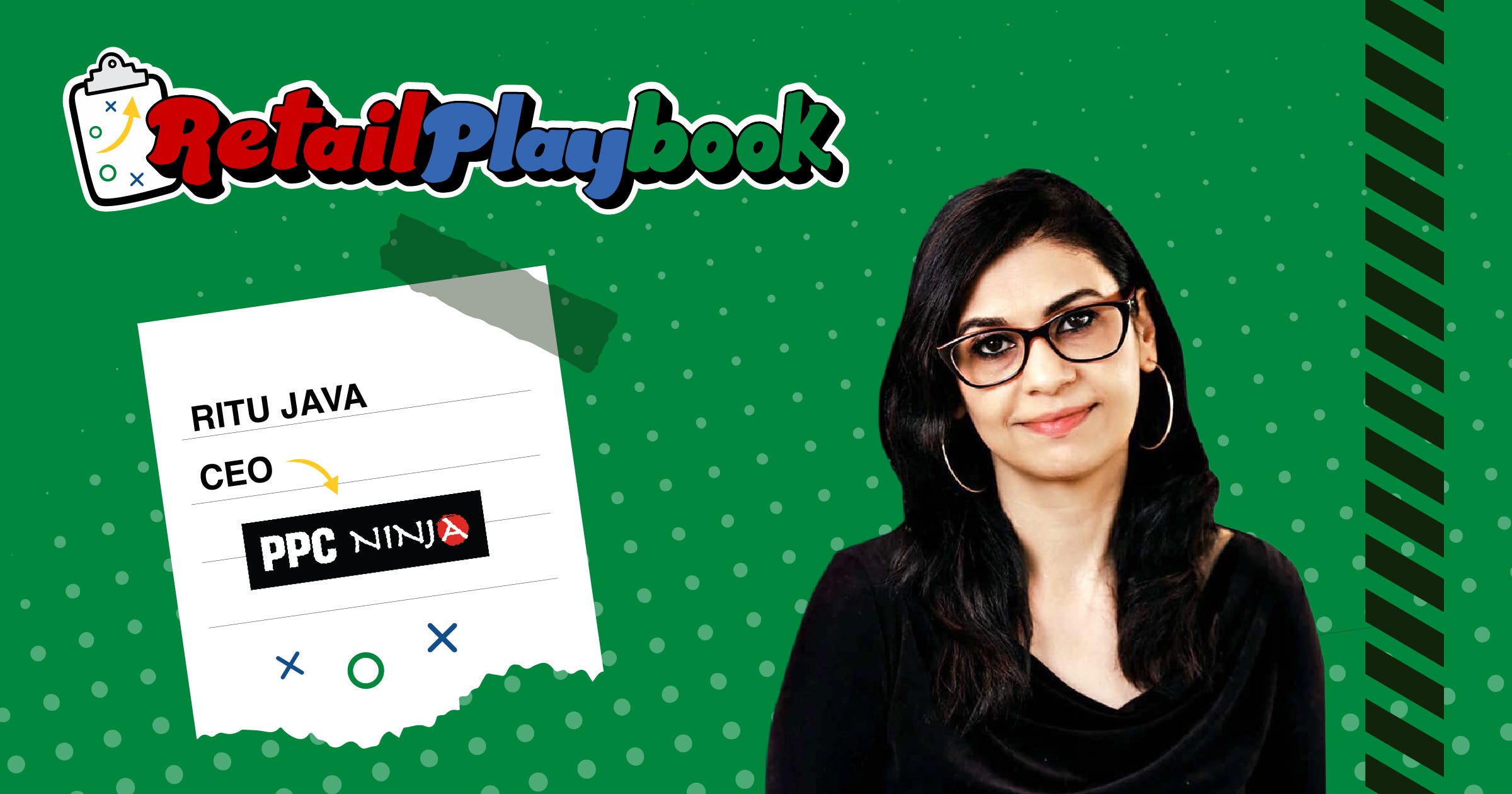
Ritu Java is the CEO of PPC Ninja, an agency offering Amazon advertising and creative services: PPC management, listing creation and optimization, storefronts, and AI video. An engineer by training, she spent about 17 years in Japan working in tech before starting an e-commerce business on the side, then moved to the US for a year-long data science program.
That's when she "discovered Amazon" and never looked back. Today she runs Rufus and Alexa audits at scale for large brands and writes the "AI for E-Commerce" newsletter, distilling what she's learning as the space shifts under everyone's feet.
Listen/Watch Our Interview:
Episode 2 is a tactical deep dive into how brands stay visible on Amazon as AI reshapes search. Andrew sits down with Ritu to map how the old keyword world (A9) and the new conversational one (Alexa for Shopping) actually work together rather than replacing each other. It's part strategy, part myth-busting, and full of concrete moves you can apply to your listings this week.
Highlights
The dual flywheel: Ritu’s core framing, keyword search (A9) and conversational search (Alexa) are two flywheels you have to spin at the same time. “We’ve gotta spin both these flywheels simultaneously.”
A9 isn’t going anywhere: “If there’s one thing Amazon cares more about than AI, it’s its bottom line.” They won’t torch years of proven search science overnight.
Cosmo isn’t A9: Cosmo is one knowledge graph among many at Amazon, it adds semantics, inference, and personalization, but it did not “replace” A9. Different animals running in parallel.
Three step-ups from A9: What Alexa does that keyword search can’t: semantics (”cozy blanket” = soft blanket), inference (”best shoes for mountain climbing” → hiking boots), and personalization (a gamer and a commuter searching “headphones” get different results).
Noun phrase optimization: Ritu’s five-part recipe for a title that AI understands determiner, adjective (pre-modifier), noun adjunct, head noun, and prepositional phrase (post-modifier). “The ultra-lightweight, waterproof hiking boots with durable rubber soles” beats a comma-stuffed keyword string.
The Prompts Report: There’s already a report in the advertising console showing which prompts triggered which campaigns, plus impressions, clicks, and attributed sales, though data is still sparse with a short look-back window.
66% and above the fold: More than 66% of sales happen on page one, and the majority above the fold, which is why organic alone won’t cut it and the organic-to-ads (OA) ratio matters.
Page one is the gate: “You have to be on page one in A9 to even be considered in the pool” Alexa draws from and personalizes.
“Ambient” and ubiquitous: Ritu’s prediction: Alexa for Shopping becomes ambient, reachable from every surface (phone, watch, product page, Lens Live), not just a search box.
Ritu is one of the sharpest minds working in Amazon today, and this conversation is a masterclass in staying visible as search gets smarter. Enjoy the conversation.
🎧 Listen wherever you get your podcasts: Spotify, Apple, etc.
Or, we have a video version on YouTube (make sure to subscribe!) →
We’re here to make sense of brand strategies for Agentic Commerce on Amazon, Walmart and beyond. Subscribe, share, and stay tuned!